
Popular Choices For Hood Ventilation System Installation Supplies
Discover top-rated products designed to simplify installation processes and enhance the performance of your ventilation systems.
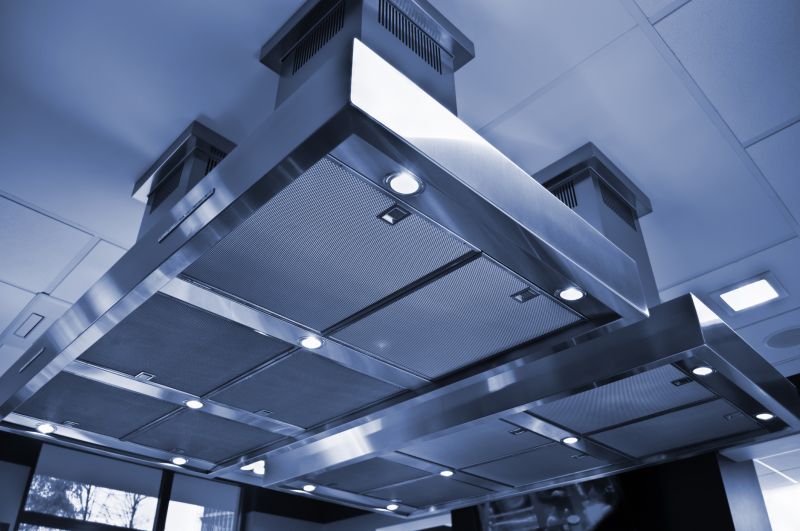 Installing a hood ventilation system is a crucial step in maintaining a clean and functional kitchen environment. These systems help to remove smoke, grease, odors, and airborne particles generated during cooking. Selecting the right products for hood ventilation installation involves understanding various components, including ducting, fans, filters, and mounting hardware. Properly chosen equipment can enhance airflow efficiency, ensure safety, and facilitate easier maintenance.
Top Overall Option
Universal Hood Ventilation Kit
A comprehensive ventilation kit designed to fit a wide range of kitchen setups, including ducting, mounting hardware, and powerful exhaust fans. It offers versatility and ease of installation, making it suitable for various kitchen sizes and configurations. The durable materials and modular components facilitate maintenance and future upgrades.
Types of Products For Hood Ventilation System Installations
Flexible Ducting
Flexible ducting options allow for adaptable routing of exhaust air, accommodating complex kitchen layouts and tight spaces.
Rigid Metal Ducts
Rigid metal ducts are durable and provide smooth airflow, reducing grease buildup and noise during operation.
Range Hood Fans
Range hood fans are the core component that actively pulls air from the cooking area and expels it outside or recirculates it after filtration.
Grease Filters
Grease filters trap airborne grease particles, preventing buildup within ducts and maintaining cleaner air in the kitchen.
Charcoal Filters
Charcoal filters are used in ductless systems to remove odors and airborne contaminants from recirculated air.
Mounting Brackets
Mounting brackets provide secure attachment points for hoods and ductwork, ensuring stability during operation.
Exhaust Vent Caps
Vent caps seal the exterior opening of ductwork, preventing pests and debris from entering while allowing airflow.
Inline Duct Fans
Inline duct fans are used to boost airflow in long duct runs or challenging installations, maintaining effective ventilation.
Ventilation Louvers
Louvers help regulate airflow and prevent backdrafts, especially in outdoor venting applications.
Fire Dampers
Fire dampers are safety devices that close in case of fire, preventing the spread of flames and smoke through ductwork.
Sound Attenuators
Sound attenuators reduce noise generated by fans and airflow, creating a quieter kitchen environment.
Control Switches
Control switches enable easy operation and regulation of hood fans, including variable speed options.
Lighting Kits
Lighting kits enhance visibility over cooking surfaces, often integrated into hood systems for convenience.
Popular Choices
Widely used for various kitchen sizes, these fans provide reliable airflow and are compatible with many ducting options.
Popular for their ease of installation and flexibility, suitable for tight or irregular spaces.
Commonly used in ducted and ductless systems, these filters are easy to clean and replace.
Effective for enhancing airflow in long duct runs, ensuring consistent ventilation performance.
A popular choice for outdoor venting, these caps help prevent pests and weather elements from entering.
Often chosen for ductless systems, these filters help remove odors during air recirculation.
Versatile brackets that accommodate different hood and duct sizes, favored for customizable installations.
Designed to minimize noise, these fans are popular in settings where noise reduction is desirable.
Suitable for larger kitchens or commercial settings, these fans handle higher airflow demands.
Chosen for safety in commercial or high-temperature environments, these materials resist fire spread.
The diversity of products available caters to different kitchen sizes, ventilation needs, and installation preferences. From flexible ducting options to powerful exhaust fans, each component plays a vital role in creating an effective ventilation setup. It is important to consider compatibility with existing kitchen infrastructure and to prioritize quality materials that withstand heat and grease buildup over time.
Professional installation often requires a combination of these products to achieve optimal performance. Attention to detail during selection and installation can prevent common issues such as poor airflow, noise, or inadequate grease capture. Whether upgrading an existing system or installing a new one, understanding the available product types and their features helps in making informed decisions to meet specific kitchen requirements.
Key Buying Considerations
- Assess the size and layout of your kitchen to determine duct length and diameter requirements.
- Choose ducting materials that match your installation environment, considering flexibility and durability.
- Select a fan with sufficient airflow capacity suitable for your cooking volume and space size.
- Ensure compatibility between the hood, ducting, and exhaust fan for seamless installation.
- Consider noise levels of fans and accessories to maintain a comfortable environment.
- Evaluate filter types—grease filters for ducted systems and charcoal filters for ductless setups—based on your needs.
- Check for ease of maintenance, including filter cleaning and duct access points.
- Prioritize safety features such as fire dampers if required by local codes or commercial standards.
- Review installation requirements and whether professional help is recommended or necessary.
- Consider additional features like lighting, variable speed controls, and remote operation for convenience.
- Ensure exterior vent caps are weather-resistant and appropriately sized for your ductwork.
- Account for future upgrades or expansions in your initial product choices.
- Verify that all components meet relevant safety standards and building codes.
- Think about energy efficiency to reduce operational costs over time.
- Read product reviews and specifications to gauge reliability and user satisfaction.